John Banting
Britain’s Original Surrealist
Release Date – 20/11/26
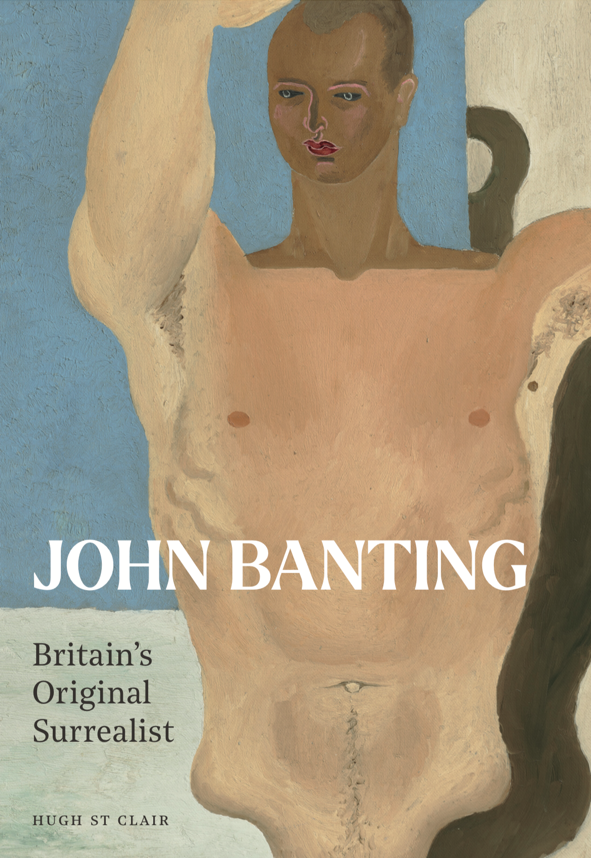
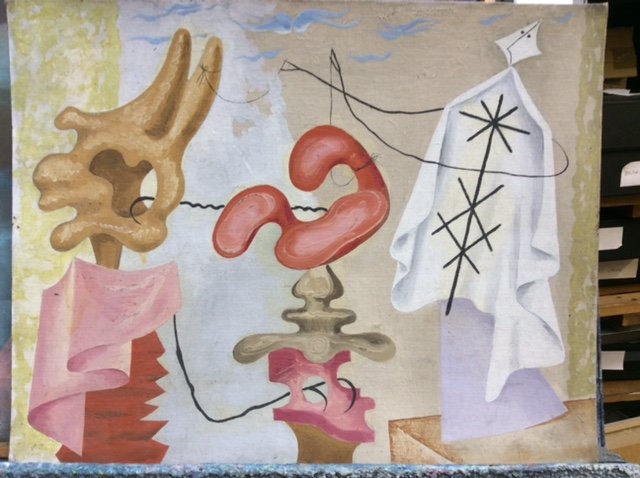
This book recognises British artist John Banting as an important figure in Surrealism, from Paris to London and New York.
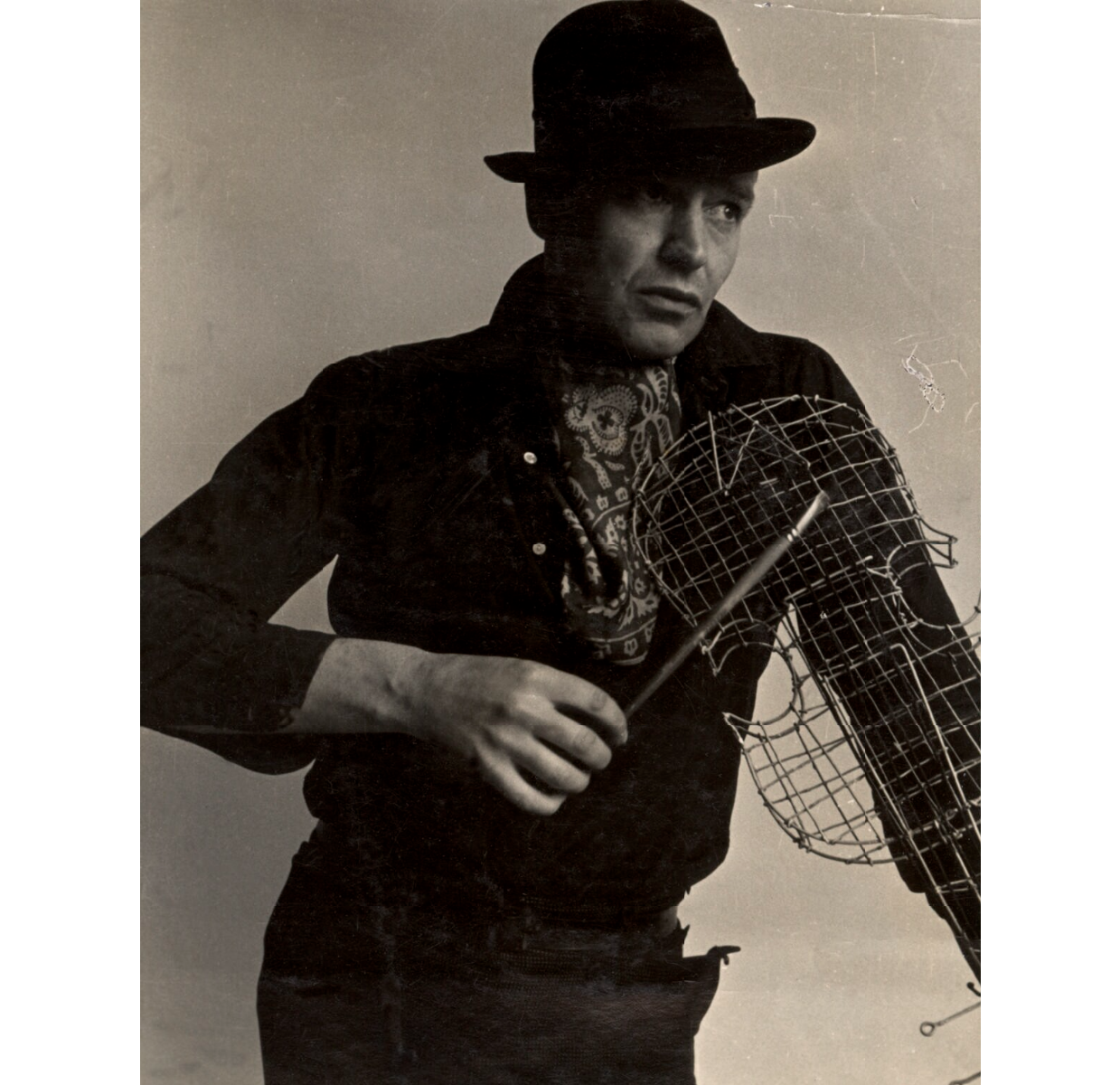
This exciting book explores how British Surrealist John Banting (1902-1972) became an important figure from Paris in the 1920s, where he was championed by Marcel Duchamp. It follows his life to London in 1930s, where he was taken up by The Bloomsbury Group as a portrait painter, muralist and designer of book covers for Virginia Woolf. In the 1940s, he made films with Dylan Thomas.
The story follows Surrealism from its genesis in Paris to London and New York through John Banting, artist, designer, film maker and political activist. Fellow artist Julian Trevelyan remarked that Surrealism for John Banting was ‘not just a way of painting but a way of living.’ Art critic Richard Shone described Banting as ‘a dancer, demonstrator and designer who refused to clip the wings of his imagination.’
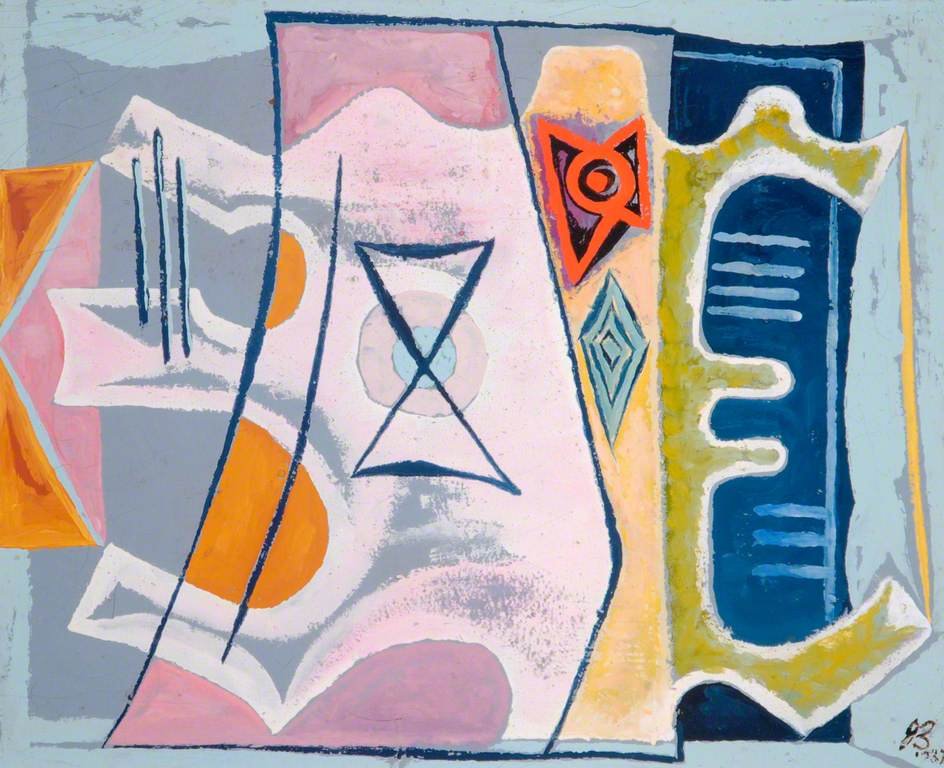
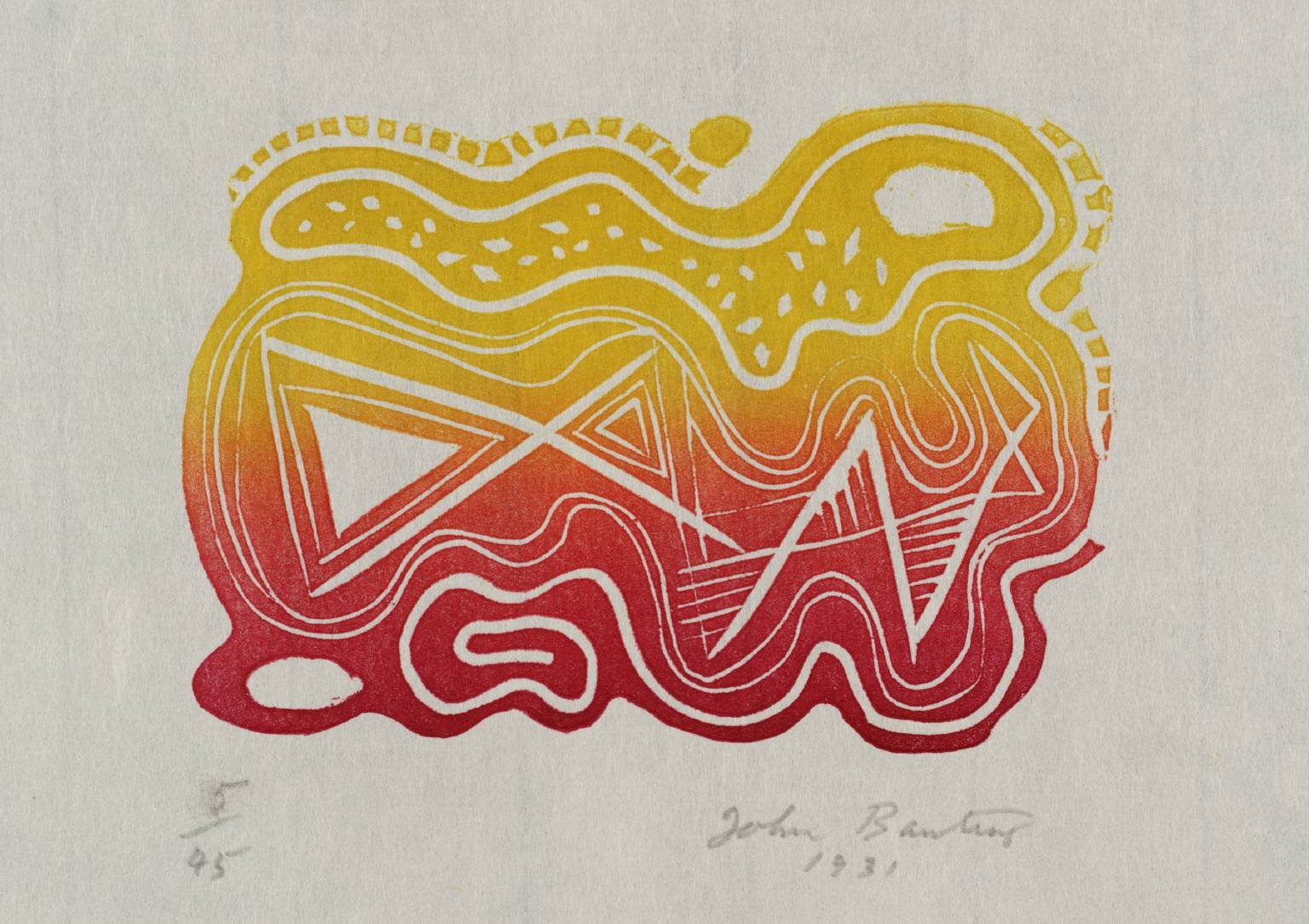
John Banting: Britain’s Original Surrealist features letters and diaries from the Tate Archive. It is fully illustrated with images of Banting’s wide-ranging works.
Reviews
‘Hugh St Clair’s highly detailed account of John Banting’s biography constitutes a pioneering work, an epoch-making landmark and a must read in the critical history of surrealism. He draws a moving, sensitive picture of John Banting’s life, a man whose magpie mind explains his many interests. The facts St Clair gives are so lively and precise that they manage to make us feel the heart-rending drama of Banting’s existence, the intricacy of his tormented inspiration, his strong belief in the liberation surrealism meant to him. This book is definitely a prerequisite for any further study of Banting’s immense artistic output. Michel Remy author of Surrealism in Britain
John Banting was acknowledged as one of UK’s few genuinely and distinctively Surrealist artists cutting an irreverently hedonistic swathe through British cultural life and befriending and working with some of its key figures from Leonard Woolf to Dylan Thomas, Edward Burra and Nancy Cunard. This well researched book gives him long overdue recognition. Louisa Buck writer broadcaster
‘I thoroughly enjoyed this well researched book on the artist, designer and indomitable rebel, John Banting. I wish I had all this extraordinary information when I put on his exhibition, over 40 years ago.’ James Birch art Curator
‘I have long been intrigued by John Banting, whose mysterious work I greatly admire but a figure I have found so often on the edges of other people’s stories. A master of colour, Banting’s output spanned painting and printmaking, theatre design and poetry. As the reader moves from Fitzrovia to Paris to New York to Hastings, St Clair’s evocative book shines a light on this highly original artist and personality, one that has for too long remained on the sidelines.’ Luke Edward Hall artist designer and writer.
What immediately caught my attention was the way you’ve approached Banting not simply as an artist to be documented, but as a figure through whom an entire cultural movement can be understood. Tracing his journey from Paris in the 1920s, where Marcel Duchamp championed him, through his work with the Bloomsbury Group, Virginia Woolf, and later Dylan Thomas, gives the book a much larger scope than a conventional artistic biography. It feels like Banting becomes a lens through which Surrealism itself comes alive across Paris, London, and New York. Oliver Burkeman author and journalist
A Lesson in Art & Life
The Colourfull World of Cedric Morris & Arthur Lett-Haines
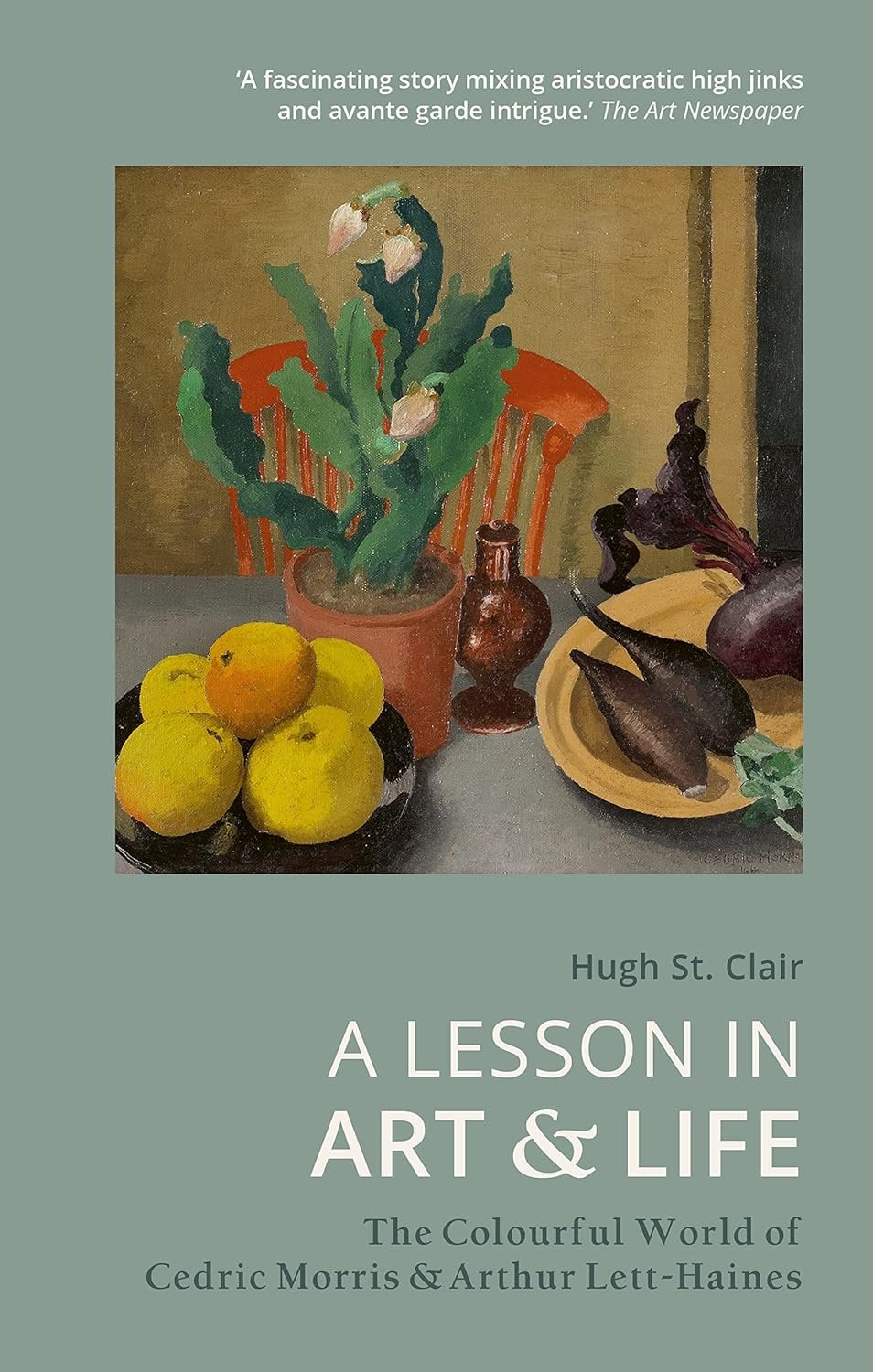
A Lesson in Art & Life is the first complete biography of a couple, Cedric Morris (1889–1982) and Arthur Lett-Haines (1894–1978). who were at the centre of the Modern British art scene and were hugely influential in the spheres of cooking and gardening. Both men studied in Paris in the 1920s where they absorbed the work of the French Post Impressionists, Cubists and Surrealist They knew Fernand Leger, Marcel Duchamp Jean Cocteau and Man Ray who took Cedric’s photograph. According to Maggi Hambling, Ernest Hemingway was jealous of their ease and charm. Hemingway included Cedric Morris and Lett Haines, known as Lett, in The Sun Also Rises.
In the London of the 1930s Morris became a sought-after and much exhibited painter of flowers, birds and landscapes, and a friend of Augustus John and Ben Nicholson. Peggy Guggenheim who appointed Cedric to be Godfather to her son Sinbad gave Cedric an exhibition of his direct and intense portraits at her London Gallery, Guggenheim, Le Jeune. Lett was hailed as Britain’s first Surrealist. They gave fabulous parties attended by the cream of creative London in their flat in Fitzrovia.
But Cedric found London a distraction from is paintings and he and Haines left London in the late 1930s to set up the East Anglian School of Painting and Drawing in Suffolk where pupils learned by encouragement rather than formal instruction. Students included Lucian Freud and Maggi Hambling. At the start of The Second World War Freud threw down a lit cigarette and the school premises in Dedham burned to the ground. Undeterred Cedric and Lett moved a few miles away to Benton End in Hadleigh to started again with renewed vigour.
Cedric Morris planted a wild and romantic garden of plants from all over the world he had discovered on plant hunting trips with distinguished gardeners such as Cherry Ingram. Cedric became an award-winning gardener and breeder of poppies and irises influenced many gardeners and his maxim ‘right plant right place’ became an idea that hugely influenced Beth Chatto. He was greatly admired by Vita Sackville West.


Reviews
Hugh St Clair’s book is of lively human interest throughout and provides much new information. This is sensitively presented, avoiding the pitfalls of superficial gossip or sensationalism and concentrating, by contrast, on the essential issues (not least the artists’ many achievements), while reporting Cedric’s and Lett’s social life, in all its variety and colour. It has strong narrative pace, exciting the reader’s curiosity as to what happens next. Richard Morphet Former Keeper of the Modern Collection at the Tate Gallery.
The first and most welcome biography …… Here is a fascinating and very British story mixing minor aristocracy and delicious homosexual high jinks, grand country houses and Avant Garde intrigue. The author’s prose flows easily and free of pretension tickling one pink with his sprightly tone. Adrian Dannatt, Art Newspaper Review, February 2020.
This is a well-researched and fascinating read. Elizabeth Metcalfe, House and Garden November 2019
An Enjoyably revealing twin biography focussing on painter and iris expert Cedric Morris and his food loving partner Arthur Lett Haines. Tim Richardson, Gardens Illustrated, November 2019
Their art school was burned down by Lucian Freud they dined on swan and drank surgical spirit cocktails, how two art world hedonists lived the original Bohemian Rhapsody explains Hugh St Clair in this genial study of Cedric Morris a Welsh baronet with a passion for propagating and painting purple poppies and smoky grey irises and surrealist artist Lett Haines who translated French poetry to make ends meet. Roger Lewis, Daily Mail, August 23rd 2019
In the biographical department St Clair has done his research deploying a vast store of documentary detail and friendship circle anecdote culled from letters press cuttings unpublished memoirs and Morris’s own sayings which deal as often with his passion for breeding irises as with his art…. He pieces this jigsaw to produce this jigsaw to produce the first in depth picture of Morris’s long life with his love at first sight meeting with Lett Haines. Michael Bird, Daily Telegraph 27th July 2019
St Clair provides a valuable introductions to his subjects lives and works with particularly good chapters on the garden and food at Benton End. Peter Parker Spectator, 6th July 2019
Hugh St Clair’s new biography provides a compelling window onto the British Avant Garde and its relationship with similar movements elsewhere. Tim Richardson, Literary Review, June 2019.